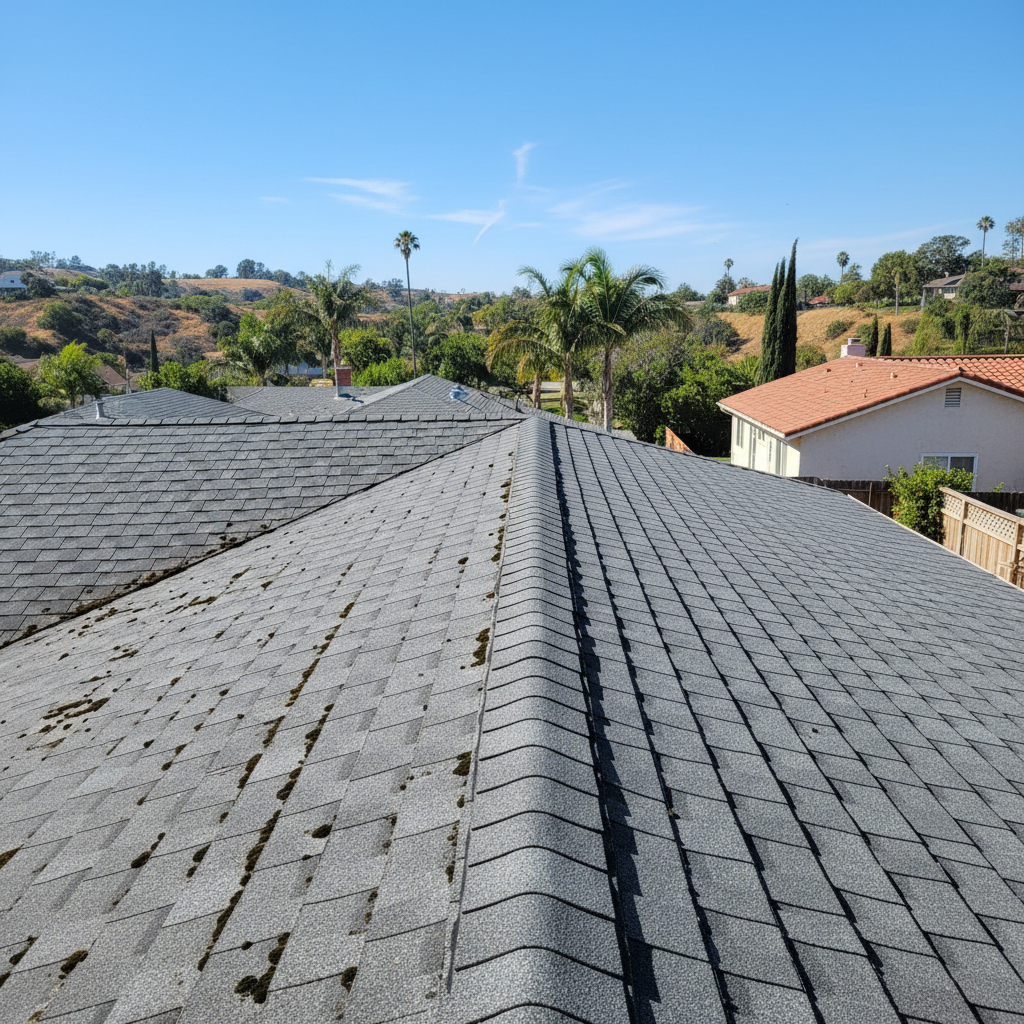
Alright, let's talk about roof inspections. It's not the most exciting topic, I know, but it's one of those things that can save you a ton of headache and cash down the line. Especially here in Santa Monica, where that ocean air and occasional heavy rain can really do a number on your shingles if you're not paying attention.
When it comes to getting eyes on your roof, you've generally got two main options these days: the old-school, boots-on-the-roof method, or the newer, high-tech drone inspection. Both have their place, and I've used both extensively. I'm gonna lay out what you need to know about each, so you can figure out what makes the most sense for your home.
Traditional Roof Inspection: Getting Up Close and Personal
This is what most people picture: a guy (like me) with a ladder, climbing up onto your roof, and walking every square foot of it. We're looking for cracked tiles, loose shingles, damaged flashing around chimneys or vents, clogged gutters, signs of water pooling, and any other wear and tear. It's a thorough, hands-on approach.
The Good Stuff:
- **Unmatched Detail:** When I'm up there, I can physically touch things. I can lift a shingle to check the underlayment, feel for soft spots, or get right up to a vent pipe to see if the sealant is failing. You just can't beat that level of tactile inspection for finding subtle issues.
- **Immediate Minor Fixes:** Sometimes, if it's a super minor thing like a slightly loose shingle or a bit of debris in a critical spot, we can often address it right there on the spot. It's not a repair, but more of a preventative tweak.
- **Human Judgment:** An experienced inspector brings years of knowing what to look for, what certain types of damage mean, and how they might progress. It's not just about seeing; it's about understanding the 'why' behind the 'what.'
The Not-So-Good Stuff:
- **Safety Risks:** Let's be real, climbing on roofs isn't without risk. For the inspector, sure, but also for your roof if someone isn't careful.
- **Access Issues:** Some roofs are just too steep, too fragile, or have difficult access points. Think about some of those older, multi-level homes up in the Santa Monica Canyon with clay tiles – walking on those can be tricky and potentially damaging.
- **Time & Cost:** It generally takes longer to do a full walk-around, and that time translates into cost.
Drone Roof Inspection: Eyes in the Sky
This is the newer kid on the block. We use a drone equipped with a high-resolution camera to fly over your roof, capturing detailed images and video from every angle. The drone pilot (who's also a roofing pro, not just a drone jockey) can then review this footage, often with specialized software, to identify potential problems.
The Good Stuff:
- **Safety First:** No one has to set foot on your roof, eliminating fall risks and potential damage to delicate roofing materials. This is a huge plus for those older, brittle tile roofs or very steep pitches.
- **Speed & Efficiency:** A drone inspection can often be completed much faster than a traditional one, especially on larger or complex roofs.
- **Comprehensive Documentation:** You get a full visual record. We can show you exactly what we're talking about with clear photos and videos, which is great for insurance claims or just for your own peace of mind.
- **Access to Difficult Areas:** Those tricky spots around dormers, high peaks, or areas obscured by trees? A drone can usually get a clear view.
The Not-So-Good Stuff:
- **Less Detail on Subtle Issues:** While the cameras are good, they can't feel a soft spot or lift a shingle to check underneath. Some very minor issues might be missed if they don't have a clear visual signature.
- **Weather Dependent:** Drones can't fly in heavy rain or high winds, which sometimes happens during our winter storm season.
- **No Immediate Fixes:** Obviously, a drone can't make a quick adjustment or clear a small blockage.
So, Which One Should You Choose?
Honestly, for most homeowners in Santa Monica, I'm leaning towards a **drone inspection as your primary, regular check-up.** It's safer, faster, and gives you an excellent visual record of your roof's condition without putting anyone at risk or potentially damaging your roof tiles. It's perfect for annual maintenance checks or after a big storm to spot obvious damage.
However, if the drone inspection reveals something suspicious, or if you're dealing with a known leak and we need to pinpoint the exact source, then a **traditional, boots-on-the-roof inspection becomes essential.** That's when we need to get up there, get hands-on, and really dig into the specifics.
Think of it this way: the drone is your excellent general practitioner, giving you a broad health check. If something looks off, then you go to the specialist for a more invasive, detailed look. For Coastal Roofing, we often start with a drone and follow up with a traditional inspection if needed. It's the best of both worlds, giving you thorough coverage and peace of mind. Don't wait until you've got water dripping into your living room; a proactive inspection can save you a lot of grief.