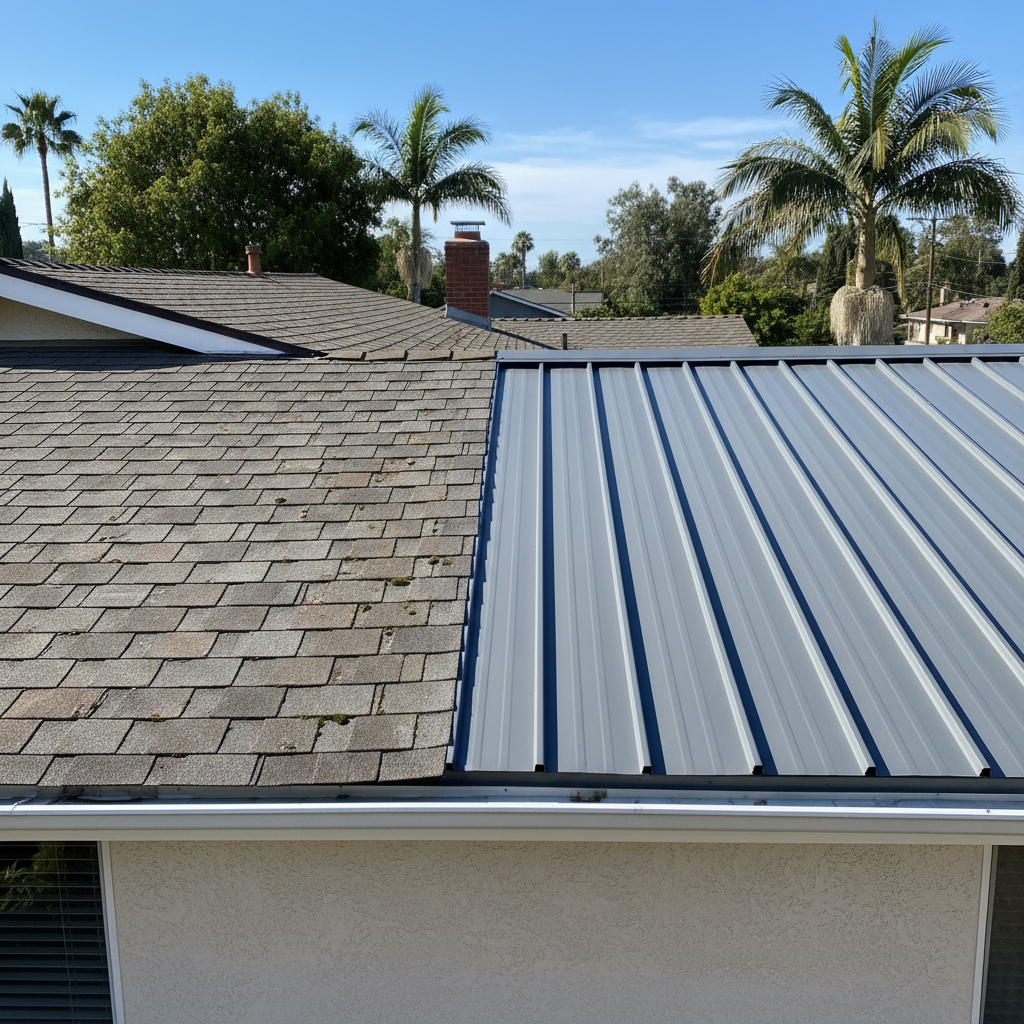
Alright, let's talk metal roofs. More and more homeowners around Santa Monica are looking at metal, and for good reason. It's tough, it lasts, and it can look really sharp. But when you start digging into it, you'll quickly run into two main types: standing seam and exposed fastener. What's the deal with each? And which one makes more sense for your home here in Southern California?
Exposed Fastener Metal Roofing: The Workhorse
Let's start with exposed fastener systems. These are what most people picture when they think of a metal roof, even if they don't know the name. Think of those classic corrugated panels you see on barns or industrial buildings, but also on a lot of residential homes these days. The panels overlap, and they're secured directly to your roof deck or purlins with screws that have a visible head, usually with a neoprene washer underneath. That's why it's called 'exposed fastener' – you can see the screws.
Cost:
This is where exposed fastener really shines for a lot of folks. It's generally the more budget-friendly option upfront. The panels are simpler to manufacture, and the installation process is usually quicker and less labor-intensive. If you're trying to get the benefits of metal without breaking the bank, this is probably where you'll start looking.
Durability & Longevity:
Don't let the lower cost fool you; these roofs are still incredibly durable. They're made of steel or aluminum, so they'll stand up to our coastal winds and the relentless Santa Monica sun like a champ. You're looking at a lifespan of 30-50 years, sometimes more, depending on the material and coating. The main point of vulnerability here are those exposed fasteners. The neoprene washers under the screw heads can degrade over time due to UV exposure and temperature fluctuations. When that happens, you can get leaks around the screw penetrations. It's not a deal-breaker, but it's something to be aware of.
Maintenance:
Maintenance is pretty minimal, but you'll want to keep an eye on those fasteners. Every 10-15 years, it's a good idea to have a professional check them out. Sometimes, a few screws might need to be tightened or replaced, especially if you're in a spot like the bluffs near Palisades Park where you get a lot of direct sun and wind. It's a relatively easy fix, but it's crucial for preventing leaks.
Appearance:
Exposed fastener roofs have a more utilitarian, industrial look. They can be very stylish, especially on modern or rustic-style homes. You've got a wide range of colors and profiles (like R-panel or agricultural panel) to choose from. But you will see those screw heads, which some people don't prefer for a high-end aesthetic.
Standing Seam Metal Roofing: The Premium Choice
Now, let's talk about standing seam. This is the sleek, often more architectural look you see on higher-end homes and commercial buildings. With standing seam, the panels have vertical legs or 'seams' that stand up from the flat part of the panel. These seams are mechanically seamed or snapped together, completely concealing the fasteners underneath. You don't see any screws from the outside.
Cost:
No two ways about it, standing seam is a bigger investment upfront. The panels are more complex to manufacture, and the installation requires specialized tools and a higher level of skill and precision. It's a slower, more detailed process. So, expect to pay more per square foot for both materials and labor.
Durability & Longevity:
This is where standing seam really pulls ahead in the long run. Because the fasteners are hidden and protected from the elements, you don't have those points of vulnerability that you do with exposed fastener systems. This significantly reduces the chance of leaks due to fastener degradation. These roofs are incredibly robust and can easily last 50-75 years, sometimes even longer, with proper care. They're fantastic for handling our occasional heavy rains and the constant salt air near the ocean.
Maintenance:
Maintenance on a standing seam roof is almost non-existent for decades. You won't have to worry about re-tightening or replacing screws. You'll still want to keep it clear of debris, especially if you have trees overhanging, but the roof itself is designed for maximum set-it-and-forget-it performance.
Appearance:
The aesthetic of standing seam is clean, modern, and very sophisticated. The continuous lines and lack of visible fasteners create a smooth, uninterrupted surface that many homeowners find highly appealing. It definitely adds curb appeal and value to a home.
Which One's Right for Your Santa Monica Home?
So, how do you choose? It really boils down to your priorities and budget. Here's my take, based on what I've seen over the years working with Coastal Roofing:
If budget is your absolute top concern, and you're okay with a more industrial look and some minor maintenance down the road: An exposed fastener system is a fantastic, durable, and cost-effective choice. It's still a huge upgrade from asphalt shingles and will serve you well for decades.
If you want the absolute best in terms of longevity, minimal maintenance, and a sleek, modern aesthetic, and you're prepared for the higher upfront cost: Standing seam is the way to go. It's a premium product that will likely outlast you in your home, offering unparalleled protection and a beautiful finish. For homes where you plan to stay for the long haul, or if you're looking for maximum resale value, the investment often pays off.
Both options are excellent choices for our climate here in Santa Monica. They both handle the sun, the marine layer, and the occasional downpour much better than traditional materials. It just comes down to what you value most in your roofing investment. Give us a call at Coastal Roofing, and we can walk you through the specifics for your particular home and help you weigh the options in person. We've installed plenty of both and can show you examples right here in the neighborhood.