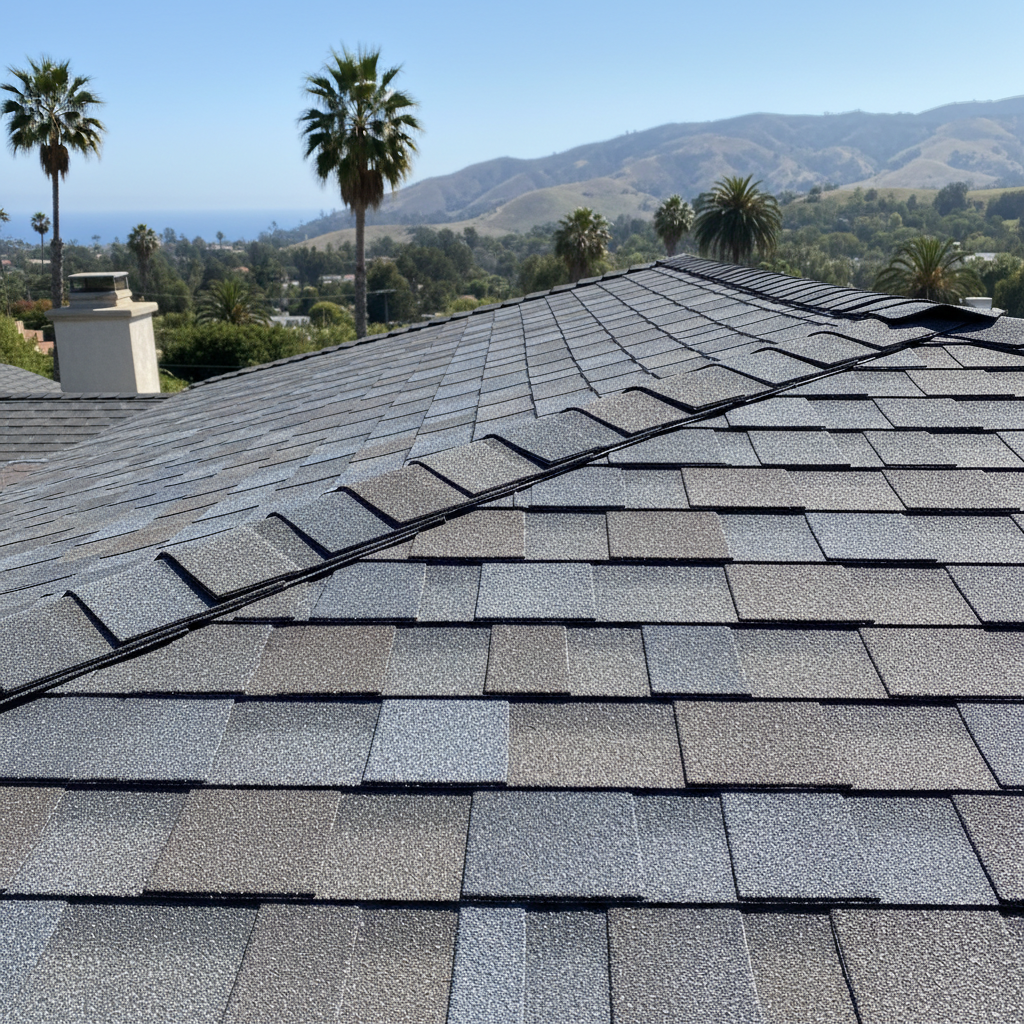
So, you're building a new place here in Santa Monica. That's exciting! A big part of any new build is the roof, and it's not something you want to skimp on or get wrong. It's your home's first line of defense against our coastal weather, that salty air, and even the occasional Santa Ana winds. I've seen a lot of new construction roofs go up over the years, and there are definitely things you should be aware of.
Before the Shingles Go On: Planning Your New Roof
Before anyone even thinks about hoisting materials up, you've got some decisions to make. This isn't just about picking a pretty color; it's about function, longevity, and budget.
- Material Matters: What kind of roof are you putting on? Asphalt shingles are common and affordable, but maybe you're thinking about a tile roof to match that Mediterranean vibe common in areas like the Santa Monica Canyon. Or perhaps a sleek metal roof for a modern look. Each material has its own pros and cons regarding cost, lifespan, and maintenance. You need to consider the pitch of your roof, too. Some materials just don't work well on very low-slope designs.
- Permits, Always Permits: You're already dealing with a ton of permits for new construction, but don't forget the roof. Your general contractor should be handling this, of course, but it's good for you to know it's part of the process. You can't just throw up a new roof without the city signing off on it.
- Ventilation is Key: This is huge, especially here where it can get warm, even with the ocean breeze. Proper attic ventilation extends the life of your roof and keeps your energy bills down. We're talking about soffit vents, ridge vents, maybe even some powered vents depending on your design. Don't let anyone tell you it's optional.
- Finding the Right Pro: Look, you've got a general contractor, but who are they subbing out the roofing to? Make sure it's a reputable company with experience in new construction, not just repairs. Ask for references, check their licensing, and make sure they're insured. You want someone who knows the latest building codes for our area.
What can you do yourself here? Mostly, it's research. You can look into different roofing materials, read reviews, and understand the basics of ventilation. Leave the actual permit applications and the heavy lifting of contractor vetting to your GC, but stay informed.
During Installation: What to Watch For
Once the project starts, things move pretty fast. You won't be up on the roof yourself, but you can still keep an eye on things.
- Safety First: A construction site is dangerous. Make sure the crew uses proper safety equipment – harnesses, hard hats, safety glasses. If you see something that looks unsafe, bring it up with your GC immediately.
- Material Delivery and Storage: Are the materials being stored properly? They shouldn't be left out in the rain or stacked haphazardly where they could get damaged or cause a hazard.
- Decking Inspection: Before any underlayment goes down, the roof decking (the plywood or OSB) should be inspected. It needs to be clean, dry, and free of defects. This is your foundation, literally.
- Underlayment and Flashing: These are the unsung heroes of your roof. Make sure they're installed correctly. Underlayment creates a waterproof barrier, and flashing around chimneys, skylights, and valleys is critical for preventing leaks. This isn't something you can eyeball easily, but you can ask your GC to confirm these steps are being followed rigorously.
Your role during installation is mostly observational and communicative. You're not the foreman, but you're the homeowner. Don't be afraid to ask your general contractor questions if you see something that doesn't look right or if you just want to understand the process better. A good GC and a good roofing crew won't mind explaining things.
After the Roof is Done: Long-Term Care
The roof is on, the house is almost ready! Now what? Your job isn't quite over.
- Final Inspection: Your city inspector will do their thing, but also do your own walk-around. Look for any debris left behind, make sure all the vents and flashing look clean and properly installed. If you have a drone, now's a great time to get an aerial view, or just use a good pair of binoculars.
- Warranty Information: Get all the warranty details in writing. You'll have a manufacturer's warranty on the materials and a contractor's warranty on the labor. Understand what's covered and for how long. Keep these documents in a safe place.
- Regular Maintenance: A new roof isn't maintenance-free, especially here in Santa Monica where leaves from eucalyptus trees or salt spray can build up. I tell all my clients at Coastal Roofing to get a professional inspection at least once a year. We'll check for debris in gutters, look for any loose or damaged shingles, and make sure your flashing is still doing its job. It's a small investment that can prevent big problems down the line.
- Keep it Clean: You can handle basic gutter cleaning yourself if you're comfortable and have the right safety gear. Just be careful up there. Don't let leaves and gunk build up and cause water to back up under your shingles.
Building a new home is a massive undertaking, and the roof is a critical component. By understanding these steps, you'll be a more informed homeowner and can ensure you're getting a quality roof that will protect your investment for decades to come.