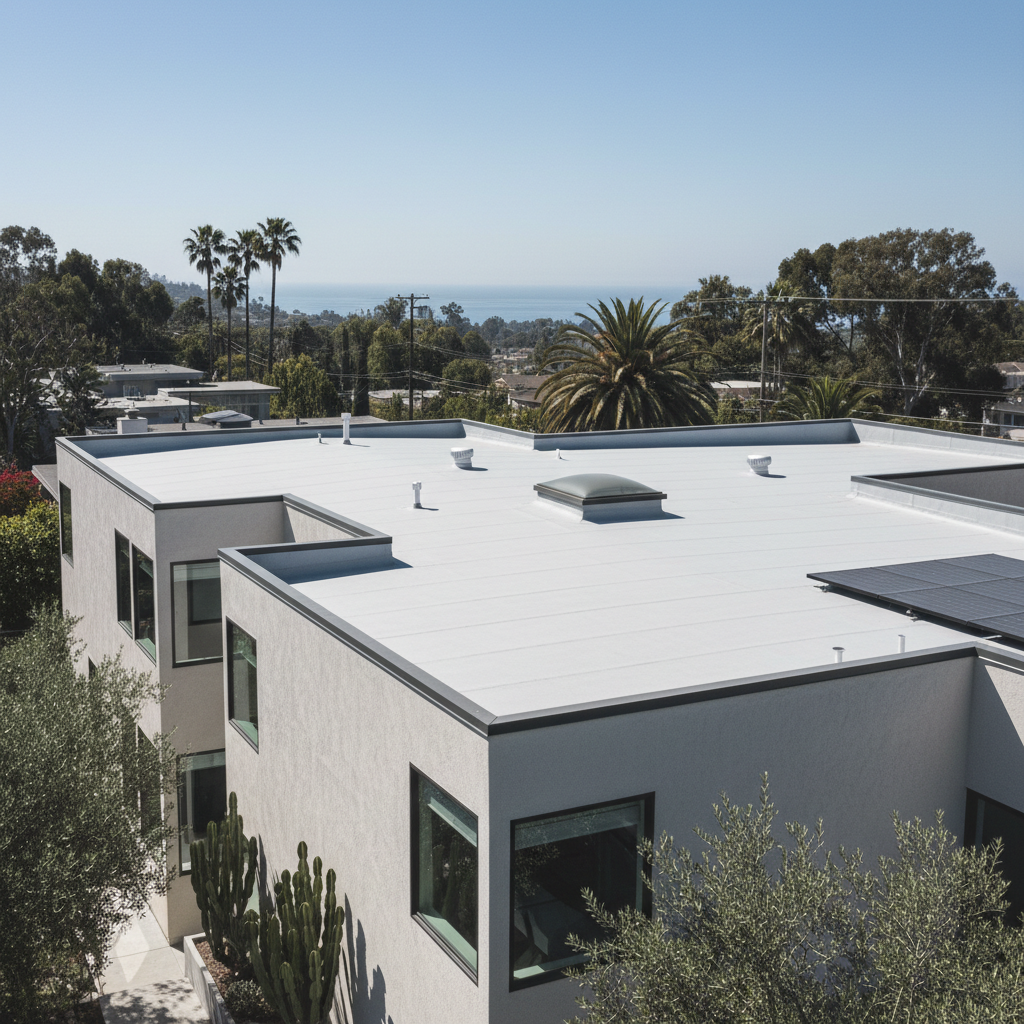
So, you're thinking about a flat roof project for your Santa Monica home. Maybe it's finally time for a replacement, or you're tackling that new addition you've always wanted. Whatever the reason, getting a new roof isn't like picking up groceries; it's a big investment, and you absolutely want it done right. I've seen countless projects like these over the years, and believe me, a little planning makes a huge difference. Let's dig into what you really need to know.
The Project Timeline: What to Expect
People often don't realize how long a roofing project actually takes. It's not just the days we spend up on your roof, you know. There's a whole process that happens before we even get to that point.
- Initial Contact & Consultation: You give us a call, and we set up a time to visit. I'll come out, check your current roof, we'll talk about what you need, and then we'll figure out the best solution. This usually happens within a few days to a week after you first reach out.
- Proposal & Decision: After the inspection, we'll put together a detailed proposal for you. That can take a few days. Then you'll need some time to look it over, maybe get other bids, and make your decision. Seriously, don't rush this part.
- Permitting: This is where things can slow down, especially here in Santa Monica. Depending on what kind of work we're doing, you'll need city permits. We handle all the paperwork, but the city's approval process can take anywhere from a couple of weeks to over a month. Once we send it in, it's out of our hands, so patience is definitely a virtue here.
- Material Ordering: Once we have those permits, we order your materials. Lead times can really vary, especially for specialized flat roofing systems like TPO or PVC. Could be just a few days, could be a couple of weeks.
- Installation: This is the actual work on your roof. For a typical residential flat roof replacement, you're usually looking at anywhere from 3 to 7 days. Larger or more complex jobs might take a bit longer. Weather plays a huge role too – we obviously can't install in heavy rain.
- Final Inspection & Cleanup: After we finish up, the city inspector will come out to sign off on the work. We'll also do a thorough cleanup of your property, leaving it as tidy as we found it.
From your first call to the finished roof, a realistic timeline is often 4 to 8 weeks. Sometimes it's even longer if there are permitting delays or material shortages. Don't let anyone tell you a full replacement is a weekend job.
What to Expect During the Process
Once we start, your home will be a construction zone, at least for a little while. Here's what you can probably anticipate:
- Noise: There will be hammering, the sound of us tearing off old material, and general construction sounds. It can get loud.
- Debris: We do our absolute best to keep it contained, but roofing is just messy. You'll see old materials, nails, and dust. We use tarps and big magnets to clean up, but expect some mess.
- Access: We'll need clear access to your roof, usually with ladders or scaffolding. Make sure your driveways are clear.
- Vibrations: When we're tearing off the old roof, you might feel some vibrations inside your home. Don't worry, it's normal.
- Workers: You'll have our crew on your property during working hours. We're professionals, of course, but it's good to know who's around.
How to Prepare Your Home
A little preparation on your end really makes the whole process smoother for everyone involved.
- Clear the Perimeter: Move patio furniture, grills, planters, and anything else away from the sides of your house. This gives us room to work and keeps your belongings safe.
- Protect Valuables Inside: If you have fragile items, pictures, or chandeliers hanging on walls or ceilings, especially on the top floor, think about taking them down or securing them. Those vibrations can really make things shift.
- Cover Attic Items: If your attic isn't sealed up tight, you might want to cover anything stored up there to protect it from dust and debris.
- Secure Pets: Keep your pets indoors and away from the work area. The noise and activity can be stressful for them, and we certainly don't want anyone getting hurt.
- Inform Neighbors: It's a nice courtesy to let your immediate neighbors know you'll have a roofing project happening. They'll definitely appreciate the heads-up about the noise and activity.
- Plan for Parking: We'll need space for our trucks and a dumpster. Make sure there's room on your property or on the street if possible.
Questions to Ask Before Signing a Contract
This part is absolutely crucial. Don't just look at the price tag. Ask smart questions, ones that really matter.
- What specific flat roofing system are you recommending and why? (Like TPO, PVC, Modified Bitumen). Make sure they can explain the pros and cons for your specific situation. For homes closer to the ocean in Santa Monica, salt air and sun exposure are definitely real considerations for material choice.
- What's actually included in the price? Get a detailed breakdown. Does it cover tear-off, disposal, new decking if needed, flashing, permits, and cleanup?
- What's your warranty on labor and materials? A good contractor, like Coastal Roofing, will offer a solid warranty on their workmanship, and the materials themselves come with manufacturer warranties. Understand both of these.
- Do you carry liability insurance and workers' compensation? This is non-negotiable, period. Ask for proof. You absolutely don't want to be liable if someone gets hurt on your property or if there's accidental damage.
- How do you handle unexpected issues? Sometimes we uncover dry rot or other damage once the old roof is off. How will they tell you about it, and what's the process for approving additional work?
- What's the payment schedule? A reputable contractor usually asks for a deposit, then progress payments, with the final payment due upon completion and your satisfaction. Be very wary of anyone asking for a huge upfront payment.
- Can you provide references? Talk to other homeowners they've worked for.
Choosing a contractor for your flat roof isn't just about finding the lowest bid. It's about getting a quality job that lasts, with a team you can truly trust. Do your homework, ask these questions, and you'll be much happier with the outcome, won't you?